Since I have been working for almost 1.5 years now, I often had the problem of having low energy, but to be honest, I wasn’t that fond of coffee every day. Don’t get me wrong, I love a good single origin cortado from time to time, but I am not necessarily into brewing coffee, frothing milk and so on and so forth… and instant coffee feels like a betrayal of coffee to me.
The next popular choice is the vast palette of energy drinks, no need to talk about the downsides…yes, I agree some people can further deepen the downsides, but I’d say the issue is being packed with sugars, and the fact that it’s synthetic…again, I love a good Monster Rehab Peach Iced Tea (please don’t judge me xd), but it’s not something I want to consume every single day…
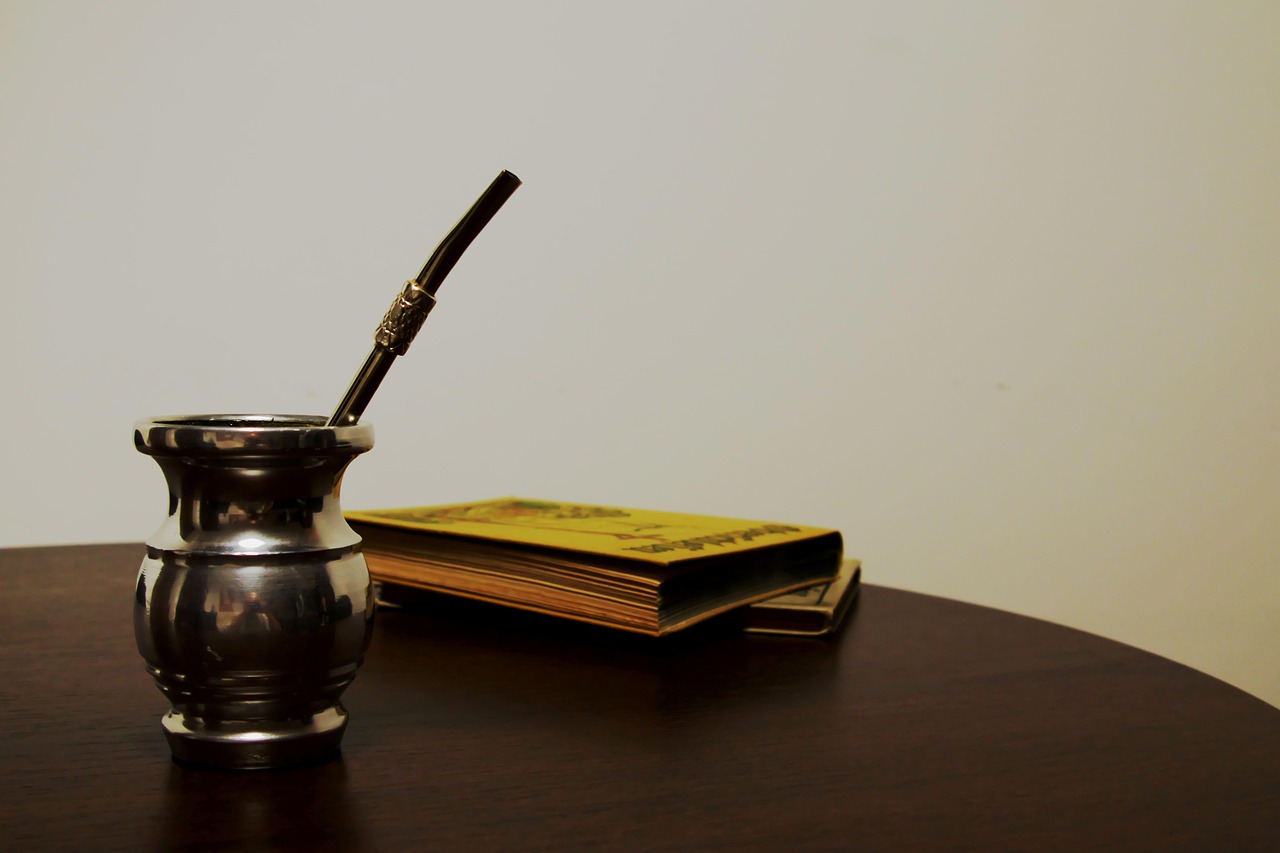
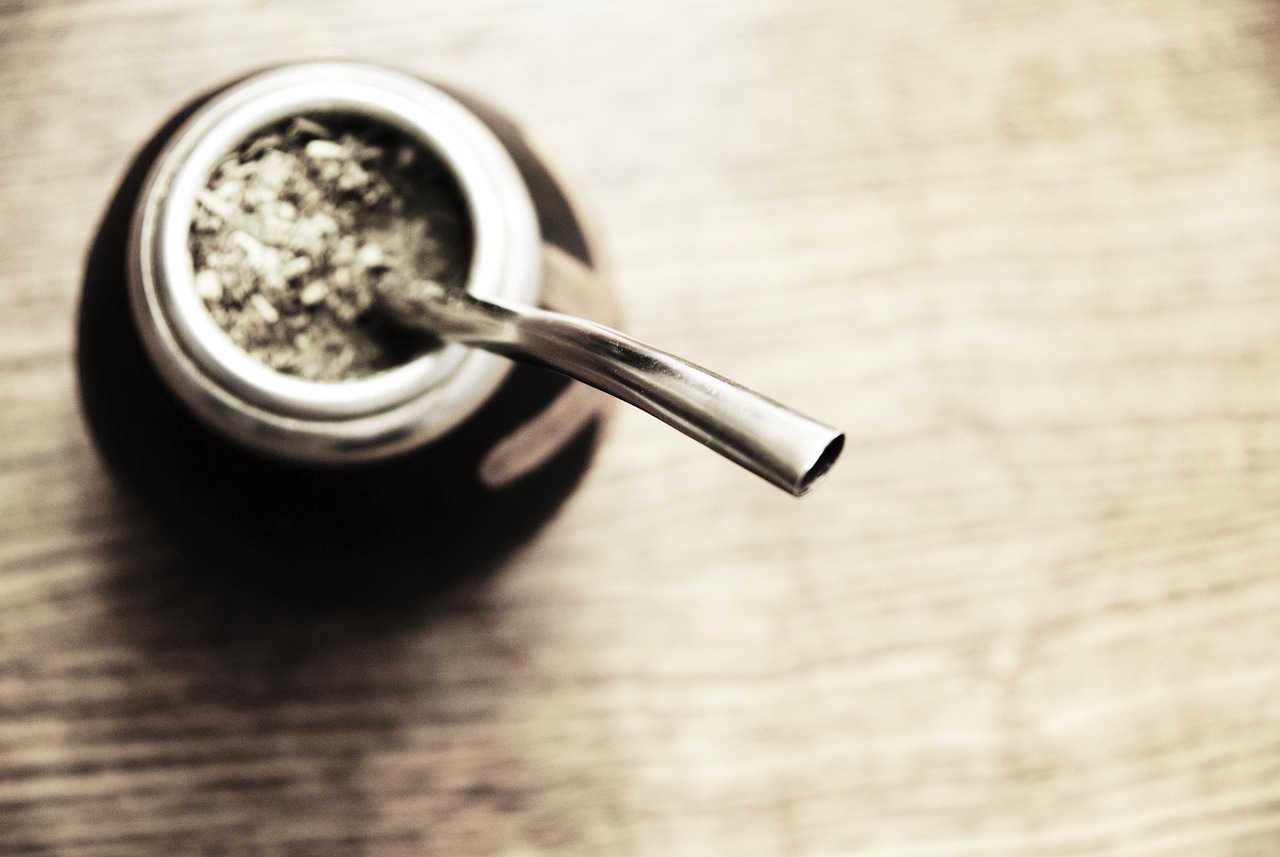
Then, after watching a video of one of my friends’ videos where she made matcha latte at home, I remembered that matcha had its South-American „counterpart”, called Yerba Mate. I looked it up and found some great store and decided to start consuming it, and in a few weeks, I ordered a kit for drinking mate the traditional way, called cebado (tho you can just filter it using a reusable filter or a French press, but for those, choose a brand with greater leaves and less dust).
Advantages
tl;dr:
- smoother, more sustained energy boost with fewer jitters
- a richer mix of antioxidants and nutrients
- usually less sugar/additives than typical energy drinks
- Compared to coffee, it is often gentler for some people and less likely to cause a hard “crash.” (meaning you get a high spike, then a huge drop of energy)
We all know our work despite our specialization demands sustained focus and problem-solving ability (duh)…
Yerba mate provides a significant advantage over coffee because of the following reason: it delivers caffeine with a balanced stimulation that enhances mental clarity without the sudden caffeine crash, resulting in being better for those long coding sessions (we see you <3). The combination of caffeine with theobromine and theophylline (the three are referred to as „mateine”) creates a more gentle experience.
Yerba also eliminates those jittery sensations, and racing heartbeat you might associate with coffee. This is critical for IT work, because fine motor control (typing, mouse precision and so on; of course not when we are being watched, we can’t help that sorry 🙁 ) and steady hands are essential for productivity. The lack of jitters means no trembling hands when performing critical operations or during high-pressure debugging sessions (tho I experience my hands flying all over the keyboard when drinking mate hahah).
Coffee’s high acidity (pH around 4.7) is known to cause acid reflux, gastritis, and digestive discomfort—a common problem for us, IT workers due to sedentary desk work and irregular meal schedules. Yerba mate’s lower acidity (pH 5.5) provides the energy boost without triggering these digestive issues, making it gentler on your stomach.
Coffee is notorious to cause a significant energy crash 3-4 hours after consumption, whereas yerba mate provides 4-6 hours of sustained energy without the sudden fatigue that forces productivity dips in mid-to-late afternoon (usually when we would take out next coffee). This is particularly valuable when dealing with complex projects or on-call support work, basically anything requiring consistent focus throughout working hours.
As for energy drinks, when comparing the two, yerba mate is vastly superior. It provides comparable caffeine content (80-86 mg) without the excessive sugar, artificial ingredients, or documented cardiovascular risks that energy drinks carry (yeah, you can tell me all about sugar-free energy drinks, but it’s still artificial). Also, energy drinks have been linked to serious medical complications, such as: cardiac complications, kidney issues, and severe crashes—risks simply avoidable by opting for yerba mate.
What you should start with?
Yerba mate is quite different when it comes to the four countries known for their mate consumption and production:
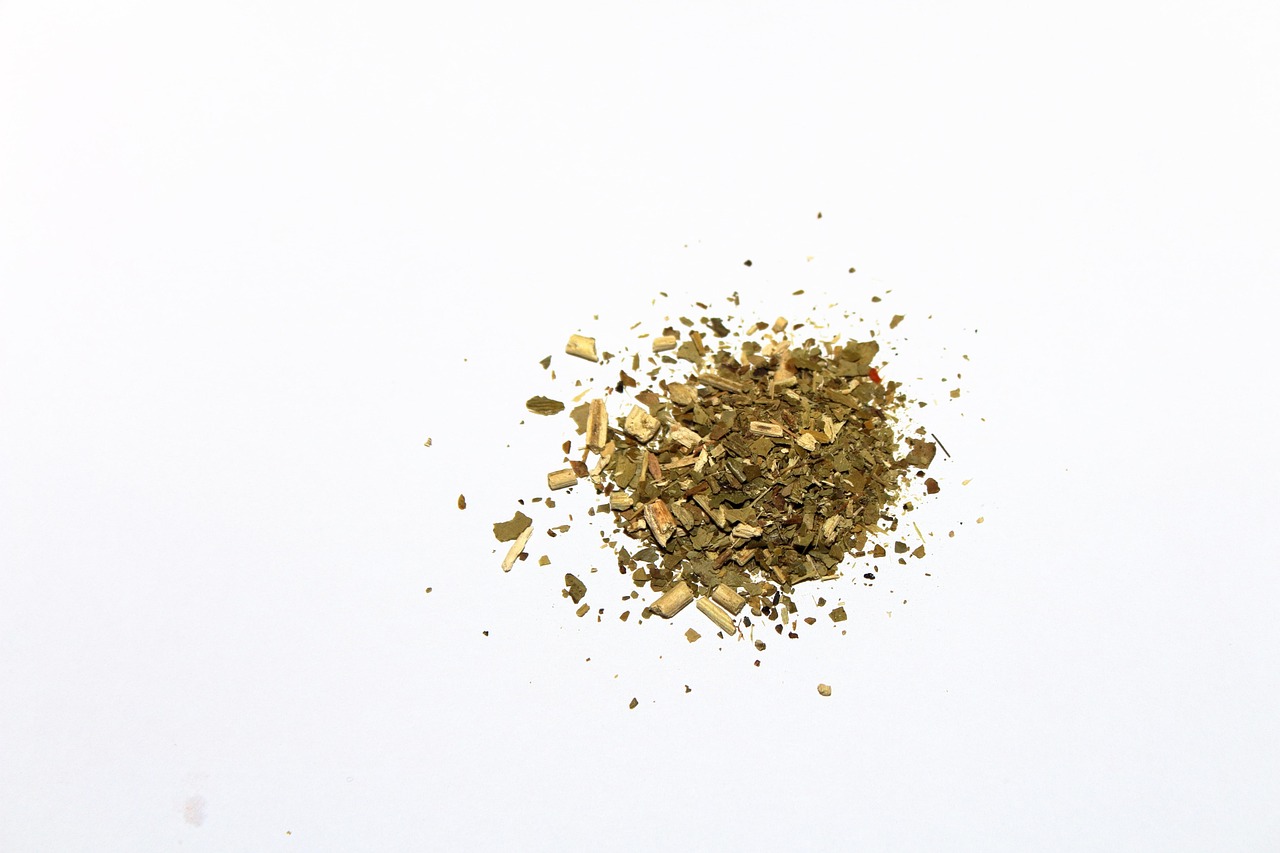
- Argentine mate contains stems and leaves and very little dust, making it great for beginners and brewing in a French press
- Paraguayan mate is most of the time composed for being consumed with cold water, which is called a tereré
- Brazilians are known for green, non-aged mate, and they also export mate for Uruguayan brands (as there is no mate grown in Uruguay)
- Uruguayan brands are loved by your favourite footballers, but their powdery nature makes them less suited for beginners and less advanced yerba accessories.
I recommend starting with an Argentine brand:
- Cruz de Malta which is the perfect „boring yerba”, meaning it does what it needs: tastes like yerba mate, nothing more, nothing less
- Playadito, a fan favourite, known for its sweetness. I recommend brewing it around 60 Celsius, which will result in a sweet taste resembling notes of roasted nuts
- Taragüi can also be a great starting point, it is reported to have a great stimulant effect and they also have an experience kit, containing 250g of Taragüi and a small plastic gourd (the one you make yerba in), said to be a great starting point
- Flavoured mates: either the compuestas (where yerba is mixed with herbs), or aromatised (such as Taragüi naranja) give you a more friendly, less bitter intro into yerba mate. Many seasoned materos report it to be their entry into this world… I love Mate Rojo’s compuesta (with mint, pennyroyal and chamomile) for example.
These brands are exceptionally great for beginners, either for cebado or cocido (this one is the filter/French press version)
If you need the real strong stuff:
- Taragüi Energia: A very strong Argentine mate. Its „mateine” content is approximately 30% higher than that of average natural Yerba Mate. The higher energy level is achieved thanks to the summer harvest of mate leaves (so-called special leaf selection). It gives you a real strong boost.
- Despaladas: Despalada, also known as sin palo versions contain no stems, so there are nothing to smoothen the strength of mate. A few brands making despaladas: Amanda, Taragüi, Playadito (this one is a great one for despalada first-timers) and Andresito (my favourite despalada). As for my experience, these taste more floral and herbal compared to con palo versions.
For gourmet people:
- Try out a tostado version, which means instead of smoking, the leaves are roasted, giving you a taste resembling coffee and caramel. Such tostados are: Colon Cocido Tostado, or Pajarito Cocido. I love them, tho I recommend drinking them in cocido style with some milk maybe to smoothen the strength.
Yerba energy drink
From time to time I prepare yerba as an energy drink. For this I use a flavoured brand, like CBSé guarana, or the Mate Rojo compuesta I talked about earlier. I prepare them in cocido style (you can also cold brew it), even adding some lemon and sweetener, let it cool down, then top it with sparkling water with a 50-50 ratio. This results in a great tasting, but healthier alternative to energy drinks, if you’d prefer that…
Wrapping up
So, what are you waiting for? Trying it out can’t hurt you, it has a vast culture in South America (and the Levantine Region, or Poland), I believe yerba has something for everybody.
Sure, it won’t make you a better programmer, neither will coffee, but yerba offers a compelling balance.
If coffee feels too jittery or boring, and energy drinks feel too synthetic, Yerba Mate might be the fuel you need.