
European browsers and search engines
In the last article, I wrote about the European alternatives to various Social Media applications, and I felt like there are way more fields of Tech, that needs viable alternatives. So in this, I plan to cover some other fields in this list. I will cover search engines and web browsers.
European browsers
If you want to get away from Chrome – which to be honest is highly recommended no matter where you live. A popular option is Brave, but it’s US-based. Don’t get me wrong, their tools (the browser and their own search index) are amazing, and they offer unique tools by default, but the US ownership can be a problem later.
Vivaldi
This is a Chromium-based browser, developed in Norway. It became popular due to their unique look despite the Chromium-base. The developer company is employee-owned, and the broswer is AI-algorithm free. It aims to revive some features Opera Browser had before going Chromium-based. It is so popular, it even replaced Firefox on the Cinnamon community edition of Manjaro Linux.
I have to admit, it looks modern and different and offers compelling features when it comes to privacy. If you are interested, take a look at their website!
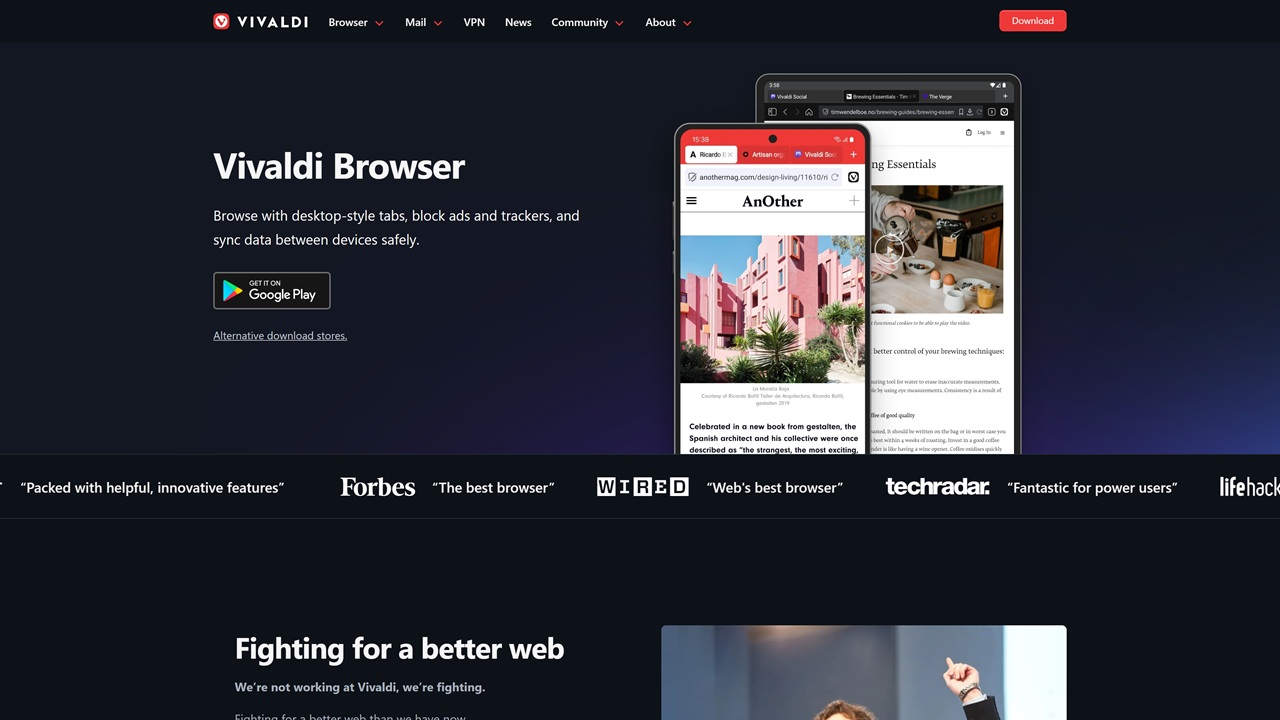
The Vivaldi project’s homepage
Librewolf
This is maybe the browser I use the most, it is a customized fork of Firefox with privacy-focused tweaks. It aims to „increase protection against tracking and fingerprinting techniques, while also including a few security improvements”, so I’d say it aims to create the Firefox-based Brave.
It aims to remove DRM and any form of telemetry, the developers openly opposed Firefox’s generative AI features and aim to remove those already present. The issue maybe is the stronger focus on privacy, which results in more pages breaking (thats why I love Brave, becuase it braks almost no pages). It’s open source, but most of the developers are from Europe.
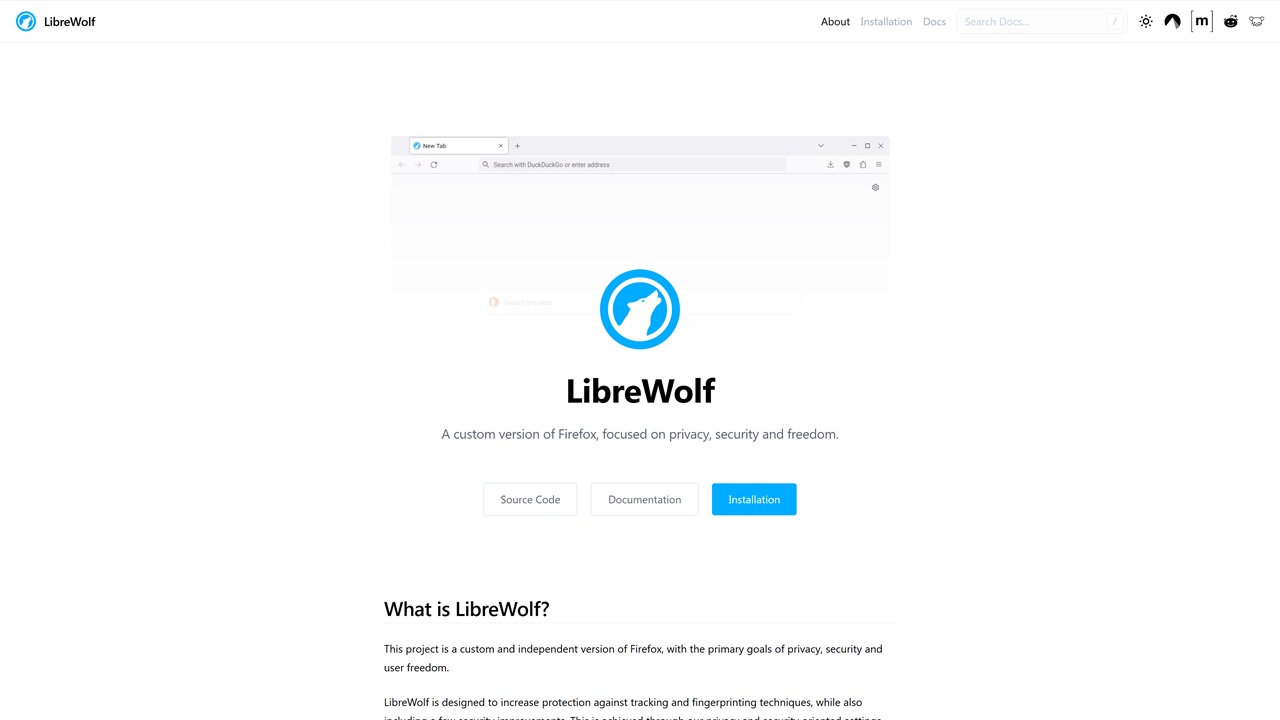
LibreWolf’s homepage
Mullvad Browser
It’s a Firefox-based browser from Sweden, stripped from any shady business and having access to Mullvad’s ultra-safe VPN. They develop their browser along with the Tor Project, they claim „Mullvad Browser is a Tor Browser without the Tor Network.” and instead of the Tor Network, you can use Mullvad VPN. With minimized tracking and access to Mullvad’s top-quality VPN, I cannot recommend Mullvad browser enough for privacy-focused users!
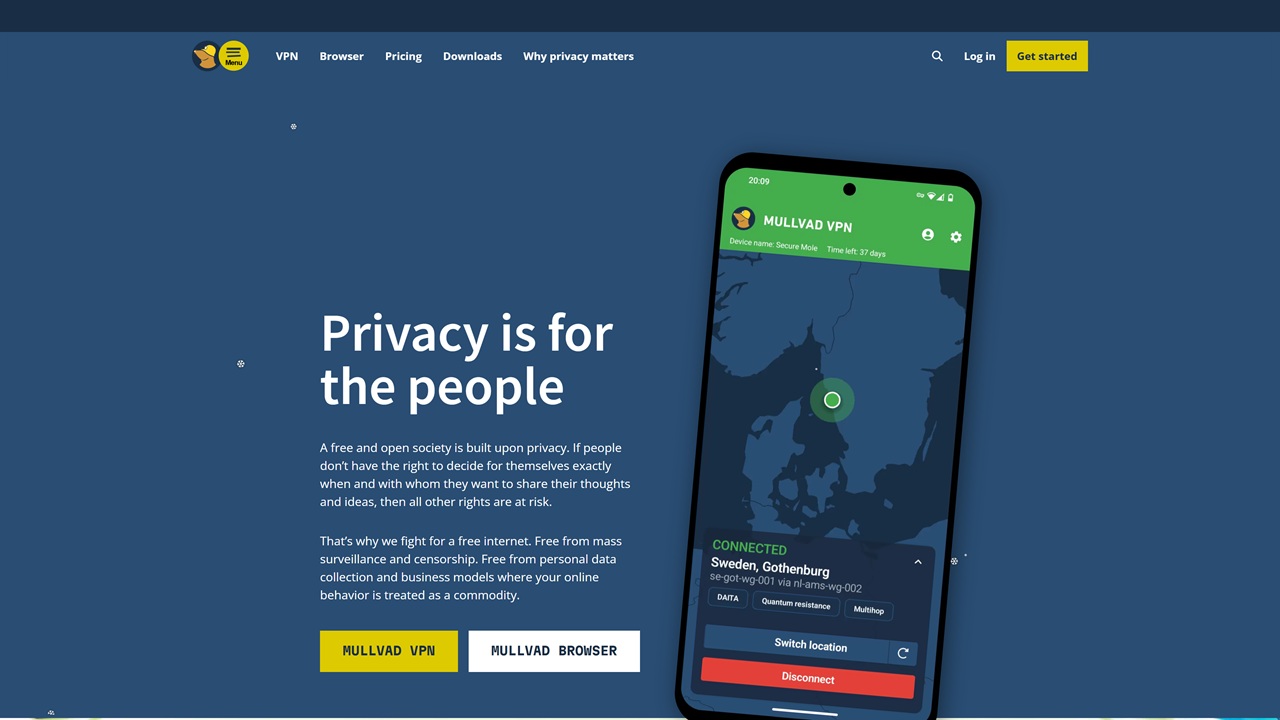
Official homepage of Mullvad Browser
European Search Engines
As I’ve already talked about browsers, I believe I should also talk about Search Engines. It’s one thing you got a private browser, but now you also need a search engine private enough, because no matter how safe your browser is, if you expose yourself through the Search engine…
Ecosia
Ecosia is a search engine made by a German company with the same name, which claims to plant trees after every few of your searches. They started out as a metasearch engine, meaning they used to source their results from different „big” indexes (Bing, Google, etc.), which nowadays are mostly from Google, but they announced to have started creating a sovereign European search index along with Qwant (later on this list).
If you are somebody who prefers AI overviews, Ecosia has one of the most ethical AI services. It uses smaller, faster models and renewable energy to combat its ecological footprint. If you’re not into AI overviews, I recommend an earlier article of mine!
According to their website, they have planted ~250 million trees so far and they publish financial reports every month to keep their finances transparent.
As for my experience, it’s quite accurate, it yields great results and the developer’s philosophy focusing on sustainability makes Ecosia an awesome option, and a case study is in progress about the company.
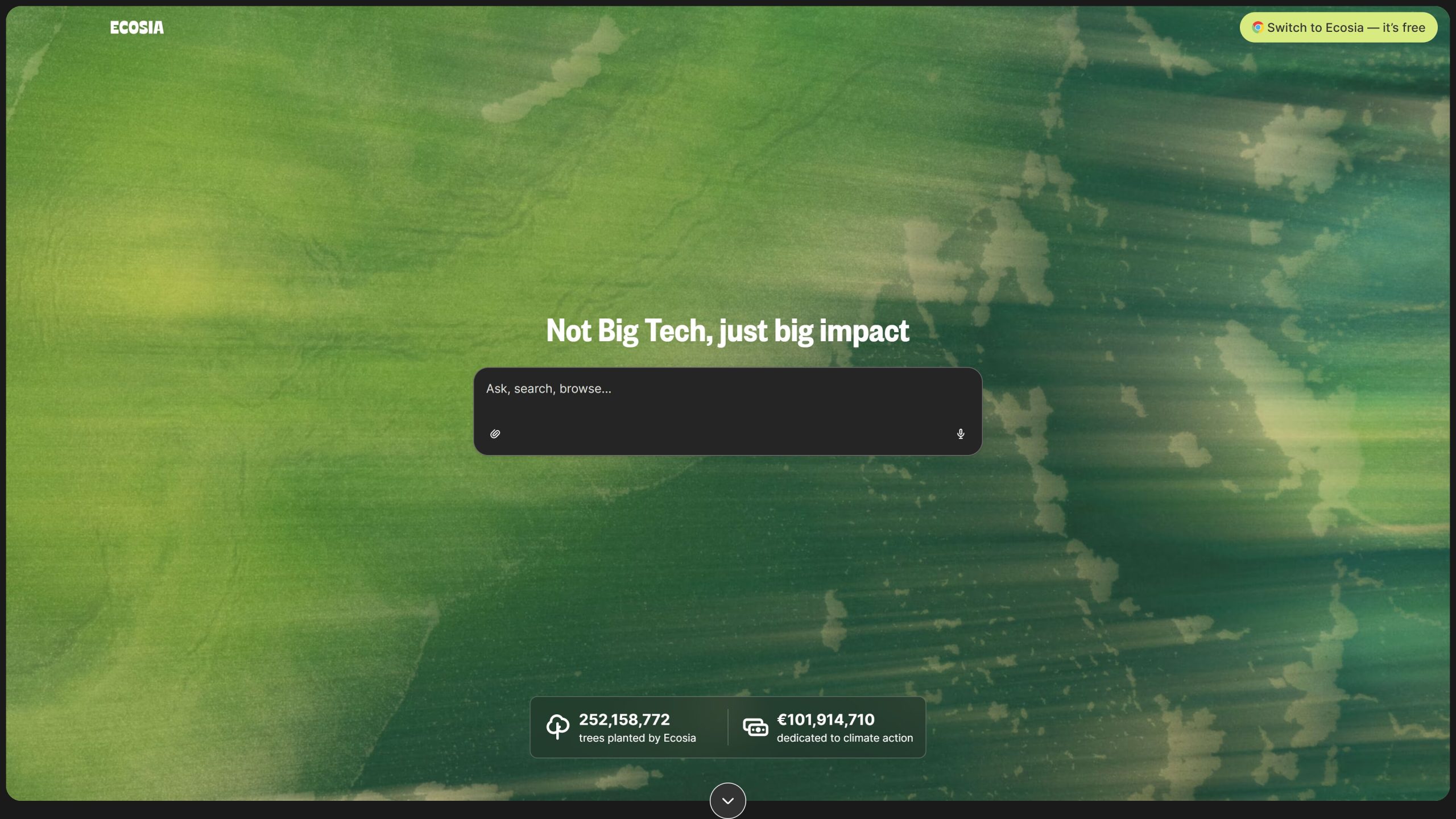
Search using Ecosia at ecosia.org
Qwant
I already mentioned it in the previous section (the „making a search index with Ecosia” part), Qwant is a French search engine focused on privacy. They don’t track users and do not resell any personal data. Some users reported Qwant’s results looking similar to Bing’s, but there is no concrete information on the exact source of the results at the moment. After Bing raised Bing’s API prices, Qwant teamed up with Ecosia to create the 50-50 joint venture (European Search Perspective – EUSP). Qwant gave the infrastructure they developed for indexing, some of its workforce (engineers, data scientists) and in return Ecosia made a cash contribution. They became so popular, that in 2018, it became Brave’s default in France and Germany. Qwant also has a translation service, built in partnership with DeepL, a translation service, that became popular recently.
There was a big announcement recently: „From 4 June 2026, Qwant will become the default search engine on the European Parliament’s Microsoft Edge and Mozilla Firefox browsers,” a Parliament spokesperson said in an email. (Read more at Cybernews) This decision further solidifies Europe’s push toward digital sovereignity.
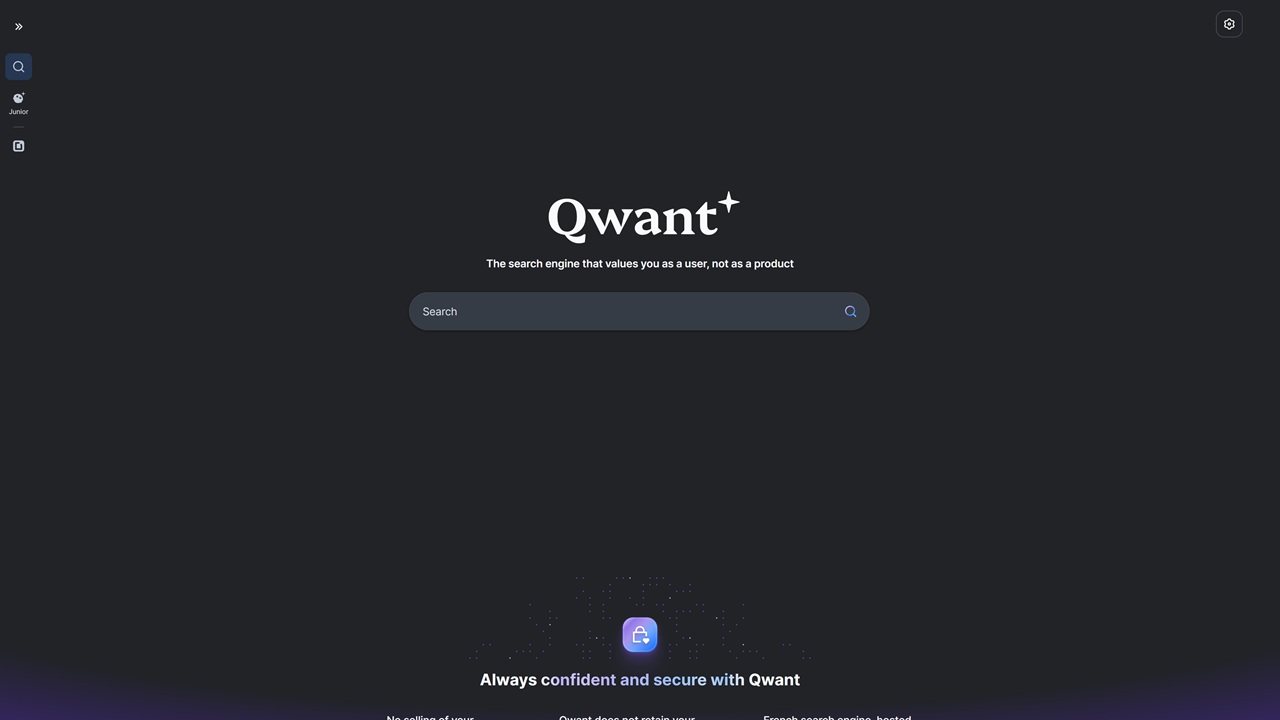
Try out Qwant at qwant.com
Conclusion
This was the second instalment on the series of European alternatives to Big Tech.
In case you missed the first post, where I talked about European Social Media alternatives, you can check out that post by clicking HERE.